
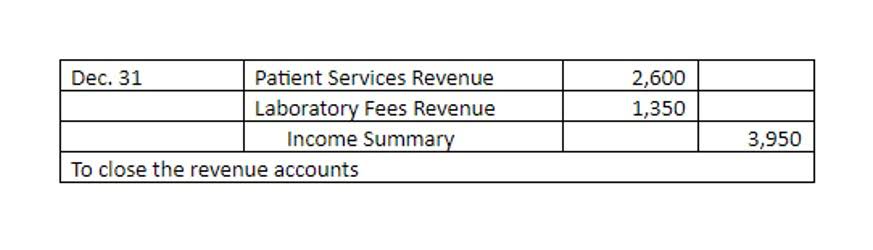
A journal can be either physical (in the form of a book or diary), or digital (stored as spreadsheets, or data in accounting software). It specifies the date of each transaction, the accounts credited or debited, and the amount involved. While the journal is not usually checked for income statement balance at the end of the fiscal year, each journal entry affects the ledger.
Get Certified for Financial Modeling and Valuation (FMVA®)

With proper bookkeeping, companies are able to track all information on their books to make key operating, investing, and financing decisions. This course helps you understand the fundamentals of double-entry bookkeeping and how it relates to the balance sheet and the bookkeeping definition profit and loss statement. Other topics that OpenLearn covers include managerial accounting, how to do accounting for organizations, and essential numerical skills that you’ll need as an accountant or bookkeeper. Try setting aside and scheduling a ‘bookkeeping day’ once a month to stay on top of your financials.
Income Statement Accounts
A bookkeeper records and organizes financial transactions to ensure accurate reporting of your business’s income and expenses. After recording transactions, bookkeepers assign them to the right categories in the company’s books, often using accounting software. For example, they might categorize a purchase as ‘Office Supplies’ or income under ‘Product Sales’. This careful sorting prepares the financial information to use in reports later. Fortunately, you don’t have to sacrifice quality to find affordable accounting software. No-fee bookkeeping apps offer basic accounts receivable and invoicing, expense tracking, and bank reconciliation features.
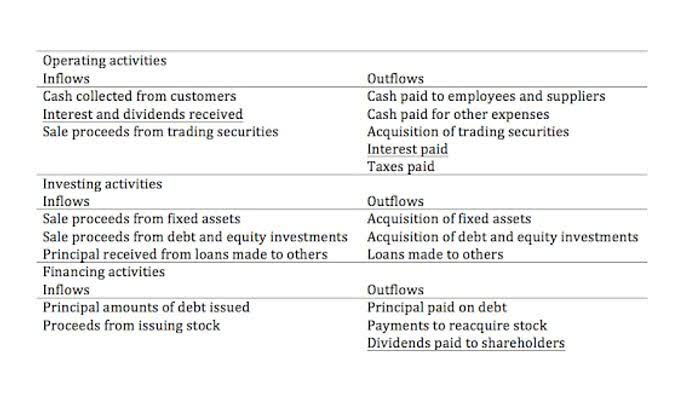
Cash flow Template in excel

While hiring someone helps, human error is still a reality, and it’s easy for mistakes to slip through the cracks if you’re not familiar with bookkeeping yourself. Accounting is the umbrella term for all processes related to recording a business’s financial transactions, whereas bookkeeping is an integral part of the accounting process. Bookkeeping is the practice of recording and organizing a business’s daily financial transactions and maintaining accurate financial records. It is an essential business function and can be a worthwhile career to explore if you’re detail-oriented, organized, and trustworthy. For people interested in beginning a career in bookkeeping, the Corporate Finance Institute (CFI) offers a free course in Accounting Fundamentals. As a bookkeeper, you’re responsible for maintaining accurate financial records and handling all the accounting processes for a business.
- Reconciliation is a critical step in the bookkeeping process that ensures financial records match external statements, such as bank and credit card reports.
- Aim to network during your internship and with your classmates, faculty members, and program alumni.
- Under the accrual method of accounting, any payments for future expenses must be deferred to an asset account until the expenses are used up or have expired.
- Since land is assumed to last indefinitely, the cost of land is not depreciated.
- In addition to adding $1,000 to your cash bucket, we would also have to increase your “bank loan” bucket by $1,000.
- It involves recording transactions, maintaining ledgers, and categorizing expenses to ensure reliable bookkeeping that supports informed decision-making.
Bookkeepers can also deliver reports on your business’s financial standing. Bookkeepers regularly, usually monthly, compare the company’s financial records to bank and credit card statements to make sure the transactions and balances match. If something doesn’t line up, they figure out why—maybe there was a bank error or missed transaction—and fix the company’s books. Bookkeepers use organized data to create financial reports like income statements and balance sheets—usually monthly or quarterly.

However, he noted that most bookkeepers have some additional education to enhance their skills, such as a degree or certification. For the past 52 years, Harold Averkamp (CPA, MBA) hasworked as an accounting supervisor, manager, consultant, university instructor, and innovator in teaching accounting online. Checks which have been written, but have not yet cleared the bank on which they were drawn. In the bank reconciliation, outstanding checks are deducted from the balance per bank. A class of corporation stock that provides for preferential treatment over the holders of common stock in the case of liquidation and dividends. For example, the preferred stockholders will be paid dividends before the common https://www.sdnetinternet.com.br/2020/08/26/best-accounting-firms-in-miami-your-trusted/ stockholders receive dividends.
How to Budget for Bookkeeping Services
- For small businesses, proper bookkeeping isn’t just about compliance—it’s a tool for growth.
- If you’re a CPA or tax professional, learn more about how you can empower your clients to bring complete bookkeeping for tax filing with Bench.
- This will allow you to quickly catch any errors that could become an issue down the road.
- The more information (and supporting documents) you can give your CPA at tax time, the more deductions you’ll be able to legitimately claim, and the bigger your tax return will be.
- Our income statement template (pictured below) will help you understand how the financial data on this report is used for small businesses.
Things that are resources owned by a company and which have future economic value that can be measured and can be expressed in dollars. Examples include cash, investments, accounts receivable, inventory, supplies, land, buildings, equipment, and vehicles. A listing of the accounts in the general ledger along with each account’s balance in the appropriate debit or credit column. The total of the amounts in the debit column should equal the total of the amounts in the credit column.
Learning to use FreshBooks enables you to reach more prospective clients and grow your firm. This bookkeeping course is a part of CFI’s more specialized, long-form certification programs. While these personal and business accounting certification programs are paid, the Accounting Fundamentals course is free.
There are a lot of institutes that offer small business workshops, giving valuable insights on both bookkeeping and accounting. These workshops are also an opportunity to meet like-minded professionals, who may be able to give you accounting and bookkeeping tips and tricks from their own experience. Free and low-cost online bookkeeping courses are also an excellent way to learn bookkeeping. These courses focus on bookkeeping fundamentals to enhance knowledge and bookkeeping skills. Costs vary greatly for small business bookkeeping depending on the volume of transactions you make and the overall complexity of your financials.